What Is a CP12 Certificate (And Why Is It Called That)?
Something that trips up a surprising number of landlords: a CP12 certificate, a Landlord Gas Safety Record (LGSR) and a ‘gas safety certificate’ are all the same document. Three names, one piece of paper. The confusion is understandable. CP12 comes from the original CORGI form number, back when CORGI handled gas registration. The industry moved to Gas Safe Register in 2009, but the nickname stuck around like an old boiler nobody wants to replace.
As the August App landlord guide explains, only a Gas Safe registered engineer can legally issue a CP12. That matters, because any certificate from an unregistered engineer is invalid. Completely invalid. Your property would be treated as if no check had ever happened.
What’s actually on the document is straightforward: a record of every gas appliance inspected, the safety checks performed, and whether each appliance passed or needs attention. It also records the engineer’s Gas Safe registration number, so your tenant (or a local authority inspector) can verify everything independently.
What Does a CP12 Inspection Involve?
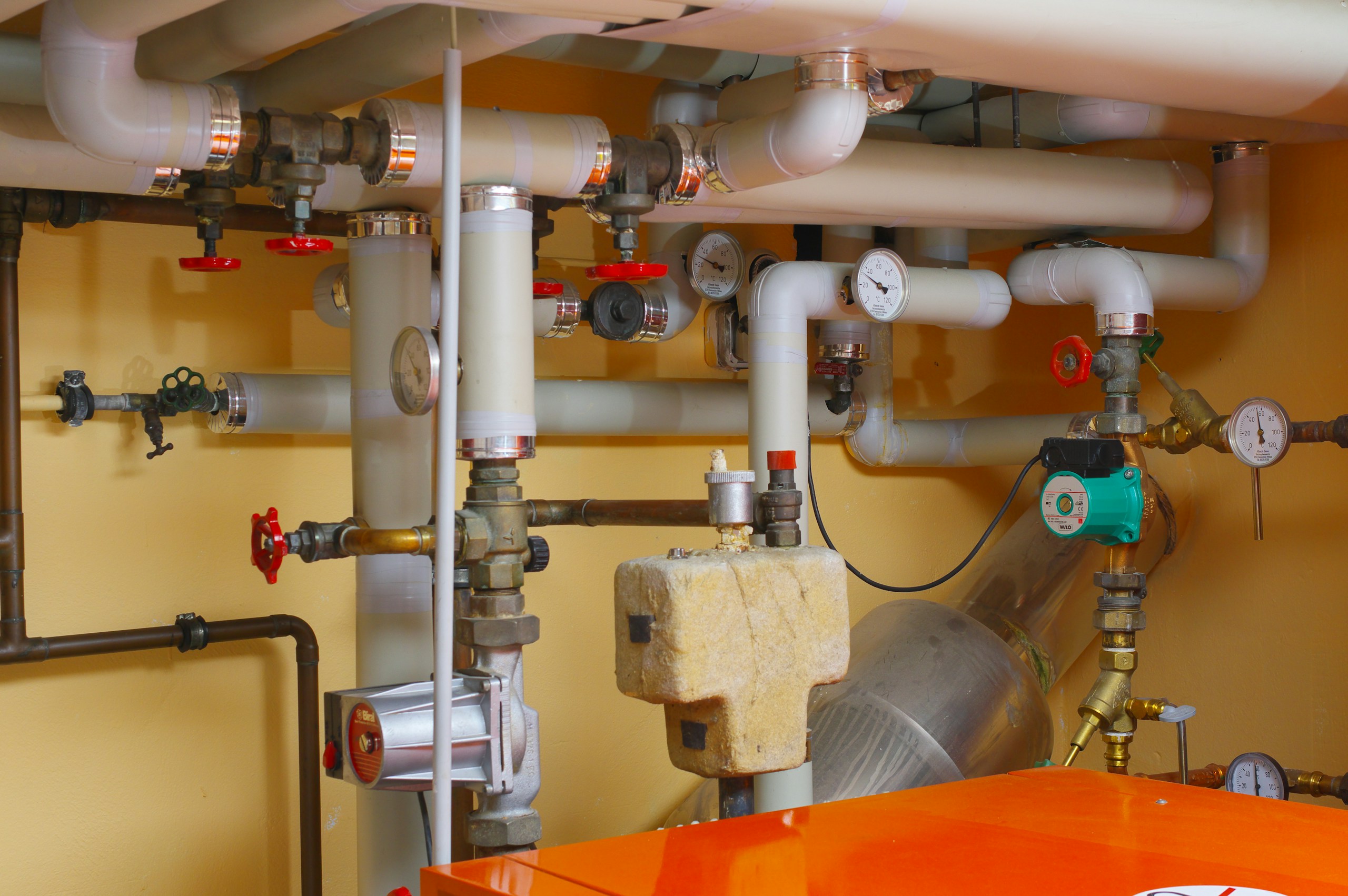
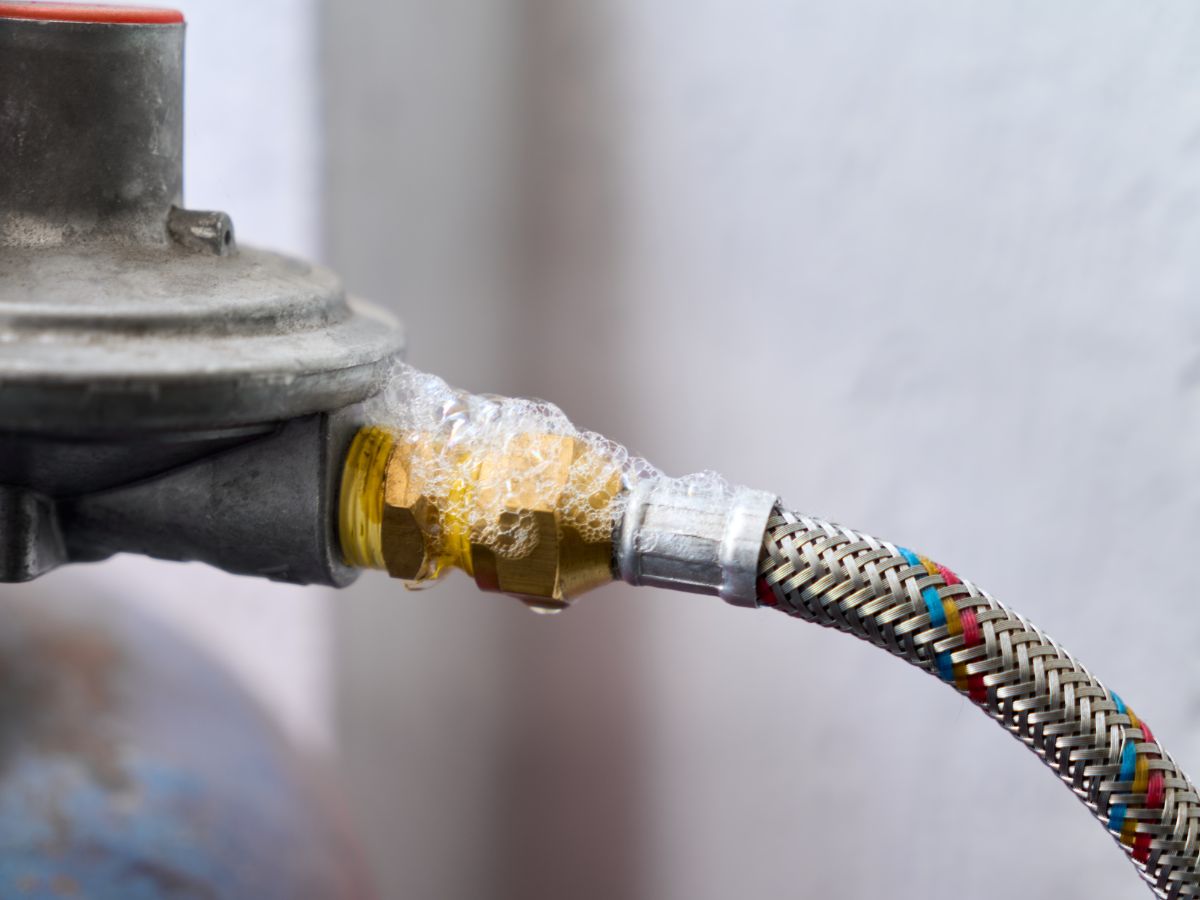
The visit itself is more reassuring than most landlords expect. Your engineer works through the property methodically; checking each gas appliance, running a gas tightness test on the pipework, inspecting flues for proper flow, and measuring carbon monoxide levels. The Royal Borough of Kensington and Chelsea’s gas safety guidance offers a useful breakdown of what gets tested, and the process is the same whether you’re in central London or central Ashford.
Here’s why it matters in real terms. The HSE reports that around seven people die each year from carbon monoxide poisoning caused by gas appliances and flues that haven’t been properly installed or maintained . The CP12 exists specifically to catch the problems that lead to those deaths. That context makes a 45-minute visit feel pretty reasonable.
How Long Does a Gas Safety Check Take?
For a typical Ashford property with one boiler and maybe a gas hob, you’re looking at 30 to 60 minutes. If you’ve got a larger property with multiple gas fires or appliances, allow a bit longer. Your engineer would rather be thorough than fast, and so should you.
Do Tenants Need to Be Home?
Best practice is to have someone over 18 at the property. It’s not a hard legal requirement, but it’s sensible. The tenant can point out anything they’ve noticed (odd smells, pilot light issues), and the engineer can answer questions directly. It also avoids any access disputes later on.
How Much Does a CP12 Cost in 2026?
This is one of the most affordable compliance obligations you’ll face. Checkatrade’s 2025 cost guide puts the national average at £60 to £90 for a standard gas safety check, with most landlords paying around £80. Each additional appliance adds roughly £10 to the bill.
What affects the final figure? Three things, mainly: the number of gas appliances in the property, how easily the engineer can access them, and whether any follow-up work is needed. For a straightforward single-boiler flat in Ashford, you’ll typically sit within or below that national average.
Hughes Heating provides fixed-price quotes so you know exactly what you’re paying before the engineer arrives. No surprises, no call-out ambiguity.
When you weigh that cost against an unlimited fine, a voided insurance policy, or criminal prosecution, the maths does itself.
When Do You Need to Renew, And What If You’re Late?
Every 12 months, without exception. You’re also required to keep records for at least two years, provide a copy to existing tenants within 28 days of the check, and hand one to new tenants before they move in.
Late renewals aren’t a grey area. As Letting a Property outlines, non-compliance is a criminal offence carrying unlimited fines and up to six months’ imprisonment under the Gas Safety (Installation and Use) Regulations 1998.
There’s a practical consequence that catches landlords off guard too. Hodge Jones and Allen Solicitors confirmed that a landlord without a valid gas safety certificate cannot serve a valid Section 21 eviction notice. With Section 21 set to be abolished in May 2026 under the Renters’ Rights Act (as Talbots Law explains), this matters right now, during the transition. Even after abolition, enforcement through local authorities and the courts continues.
If that feels abstract, it wasn’t for Kent landlord Dawn Holliday. In September 2024, as Property Wire reported, she received a 26-week suspended sentence and was electronically tagged after refusing to carry out gas safety checks, even after HSE enforcement action. That happened in our region, to a real person.
The simplest way to stay on top of it? Book your renewal for the same month every year. Hughes Heating can set an annual reminder so it becomes a diary entry, not a scramble.
For a full breakdown of the legislation and penalty framework, see our landlord heating compliance guide.
What Happens If an Appliance Fails the Check?
First, take a breath. A failed appliance means the system is working exactly as it should. Your engineer found something before it became dangerous, and that’s the whole point.
Every finding falls into one of three categories:
-
Immediately Dangerous (ID): the appliance poses a direct safety risk and the engineer will isolate it on the spot. It cannot be used until repaired.
-
At Risk (AR): the appliance could become dangerous if left unaddressed. You’ll be advised to arrange a repair promptly.
-
Not to Current Standards (NCS): the appliance doesn’t meet modern standards but isn’t currently unsafe. A certificate can still be issued, though remedial work is recommended.
For ID and AR findings, your engineer will quote follow-up work separately. With a local Ashford engineer, typical turnaround is days rather than weeks.
One thing worth knowing: an NCS finding this year can become an AR finding next year if nothing changes. Staying ahead of the standards is cheaper than chasing them.
How to Book Your CP12 in Ashford
You can verify any engineer’s credentials through the Gas Safe Register lookup tool before booking. That step takes 30 seconds and protects you completely.
Using a local engineer has genuine advantages beyond convenience. Someone working across Ashford and Kent properties regularly understands the housing stock here; the quirks of Victorian terrace flues, the common boiler models on newer estates, the access issues in certain conversions. That familiarity makes for a faster, more thorough inspection.
Hughes Heating is Gas Safe registered and covers Ashford and the wider Kent area. Book your CP12 and your tenants can trust that the person checking their gas supply knows these properties inside and out.
FAQs
Is a CP12 the same as a boiler service?
No. A CP12 is a safety inspection; a boiler service is a maintenance procedure that cleans and optimises your boiler’s performance. You need both, but they’re separate appointments. We cover the distinction in detail on our.