Vented vs unvented hot water systems: what’s the difference?
Your hot water system determines more than whether the water comes out warm. It shapes your pressure at every outlet, the type of bathroom you can design, your energy efficiency and the qualifications your installer must legally hold.
Vented cylinders
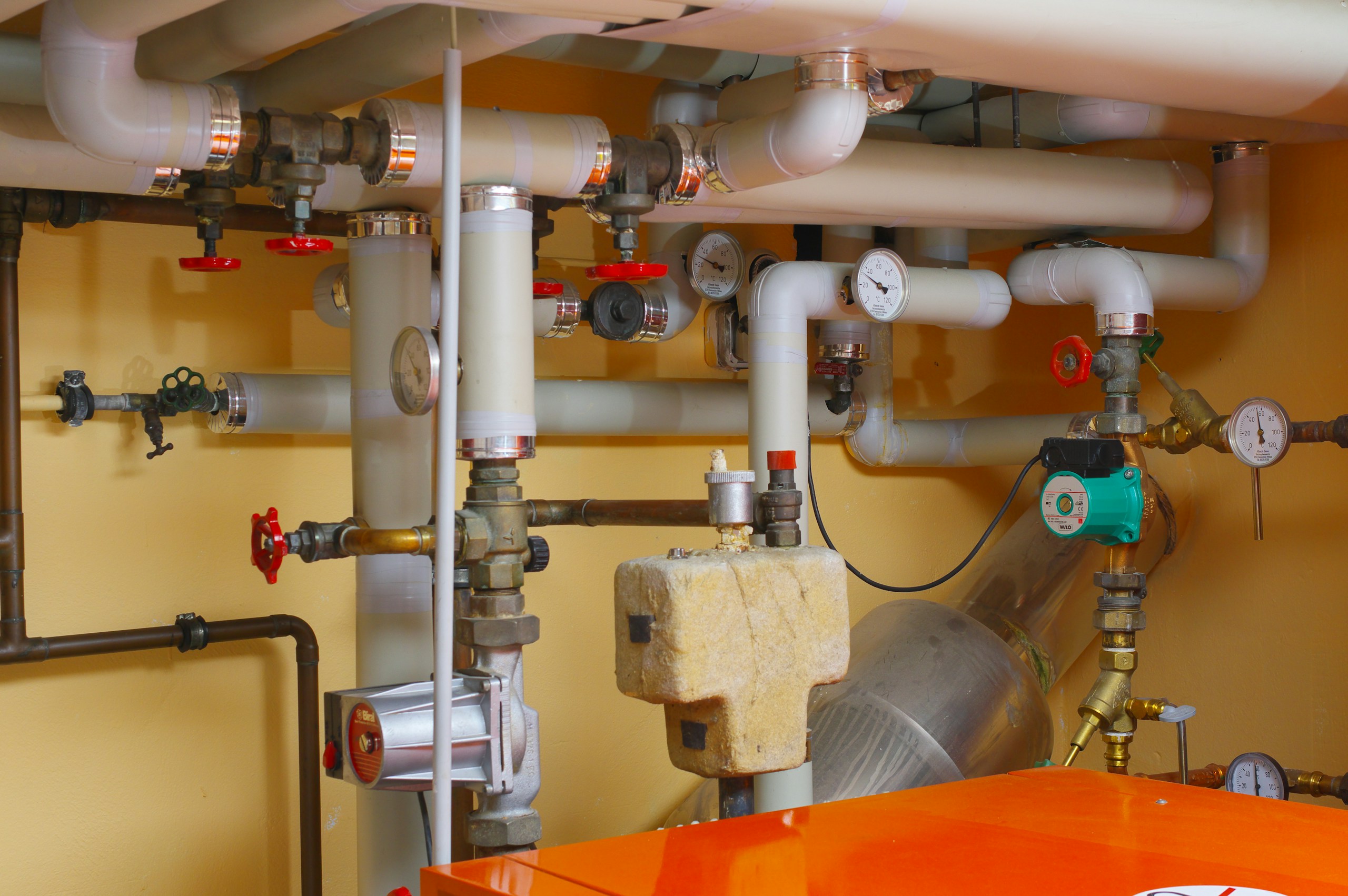
A vented system stores hot water in a cylinder fed by a cold water tank, typically housed in the loft. Pressure is gravity-fed, limited by the height of the tank above your outlets. Vented systems are common in older UK housing stock, including much of the pre-1990s housing across Ashford and Kent.
They’re reliable, straightforward to maintain and don’t require specialist certification for routine servicing. The trade-off is pressure. A rainfall shower or high-flow power shower isn’t practical on a vented system without adding a booster pump, which introduces an additional component and ongoing maintenance cost.
Unvented cylinders
An unvented cylinder connects directly to the mains water supply and delivers water at mains pressure. The difference at the tap or shower is immediately noticeable. Unvented systems are increasingly common in Ashford refurbishments, particularly in homes where a bathroom upgrade involves higher-specification sanitaryware or a wet room conversion.
The installation requirements are more demanding. A G3-qualified engineer is legally required, the installation is notifiable under Building Regulations Part G, and the component costs are higher than a vented system. The ongoing benefits, including better pressure, faster hot water recovery after high usage and no loft tank to maintain, make the investment worthwhile for many homeowners.
Combination boilers and hot water
A combi boiler heats water on demand without storing it in a cylinder. No cold water tank, no hot water storage, no waiting for a cylinder to recover. This makes combis space-efficient and popular in UK new builds and smaller properties since the early 2000s.
The limitation is simultaneous demand. Running a bath while someone else showers reduces pressure at both outlets because the boiler is producing hot water on demand rather than drawing from a stored supply. This is a design characteristic of the system, not a fault. It does, however, shape what bathroom you can realistically build around it. A rainfall shower that performs well on an unvented cylinder may disappoint on a combi under load.
Choosing the right hot water setup is worth settling before you select sanitaryware, not after. Paired with the
best smart thermostat for 2026, a well-specified system can shave a meaningful amount off annual energy use without any change to day-to-day comfort.
How do you know when your plumbing needs professional attention?
Most homeowners either act too late, after a significant failure has already occurred, or call a professional for something that a straightforward annual service would have prevented. Knowing the difference comes down to recognising the specific warning signs in each part of your system.
Half of Britain’s plumbers report fixing poor work by other installers every single working day, according to a survey published by
Installer Online. That’s not a marginal problem. Sub-standard installation is routine across the sector, and it often presents as what looks like a system fault rather than an installation error from a previous job.
Warning signs in your hot water system
Lukewarm water from taps despite the boiler running, a slow recovery time after running a bath, fluctuating water temperature and unusual noises from the hot water cylinder are all worth investigating. In Kent’s hard water area, limescale build-up accelerates component wear and can compromise heat exchange efficiency faster than in softer water regions.
If your hot water is consistently failing to reach a satisfactory temperature, our [guide to common hot water causes and fixes] covers the most likely reasons and what the appropriate response looks like for each.
Warning signs in your heating and pipework
Cold patches at the bottom of a radiator while the top stays warm are a reliable indicator of sludge accumulation in the central heating system. This is the most common trigger for a power flush. Entire rooms staying cold while others heat normally, recurring low boiler pressure, and brown or discoloured water when bleeding a radiator all suggest a system that needs professional attention, not necessarily replacement.
If your boiler repeatedly loses pressure, our existing guide to [why your boiler pressure keeps dropping] covers the diagnostic steps and most likely causes. For homeowners considering a power flush, our [power flushing guide] explains what the process involves, what it costs and how a heating engineer determines whether it’s the right solution for your particular system.
Before paying for any repair, it’s worth pausing to ask one clear question: is this a maintenance issue, an installation error from a previous job, or a design characteristic of the system that was never going to behave differently? The answer shapes what the correct fix looks like and whether the problem is likely to recur.
How to find a reliable, qualified plumber in Ashford or Kent
The UK plumbing and heating sector is large and highly fragmented.
ONS data published in January 2026, drawn from HMRC VAT and PAYE records via the Inter-Departmental Business Register, confirms there are 49,160 registered plumbing and heating enterprises in the UK. Of those, 41,410 employ fewer than nine people. Only 40 businesses employ more than 250.
That structure is important context. There’s no shortage of people calling themselves plumbers. Verified, qualified, insured professionals with a traceable local track record are a smaller subset.
WaterSafe, which relaunched as the WaterSafe Register in April 2026, puts it plainly: ‘Finding a WaterSafe-approved plumber means you can be confident that your installer has the relevant skills, qualifications and insurance to carry out work that complies with the Water Regulations.’ The organisation is promoted by all UK water companies and the
Drinking Water Inspectorate, which gives it independent authority rather than commercial backing.
The counterintuitive reading of the ONS data is worth sitting with. There are 49,000 registered businesses and a projected shortfall of 73,700 qualified plumbers by 2032. The market is simultaneously large and under-resourced in the places that count. Homeowners who find and retain a trusted, qualified local tradesperson have effectively solved a problem that will become considerably harder over the next decade.
The right time to find a reliable plumber isn’t when a pipe has failed or a bathroom project has already started. Establishing a working relationship through annual servicing or a pre-project consultation costs nothing, and you can
book a consultation with Hughes Heating at any point in the year. When the urgent call comes, having someone you already trust on the other end of the phone is worth considerably more than it sounds.
Plumbing is not a background service; it’s the infrastructure your home depends on
The research behind this guide returns consistently to one theme: the gap between what homeowners assume about their plumbing and what the evidence, the law and the market actually show.
More than half of UK homeowners are unaware that the Water Supply (Water Fittings) Regulations 1999 place legal responsibility on them personally for non-compliant fittings. Most don’t know a manufacturer can legally sell them a non-compliant product. Most don’t know a water undertaker has a statutory right to enter and inspect. The Bathroom Association’s December 2025 research doesn’t frame this as a scare; it frames it as a knowledge gap. And knowledge gaps are solvable.
The South East is the UK’s highest home improvement spending region at £58.80 per household per week. Search interest in bathroom renovation has grown 109.9% in the UK since 2021. The market in Ashford and surrounding Kent areas is active and well-resourced. The ingredient that makes the difference between a successful project and an expensive one is information: specifically, the kind of information that helps homeowners ask better questions before they hire someone.
The UK Trade Skills Index projects a shortfall of 73,700 qualified plumbers by 2032. As demand for heat pump installation, unvented cylinders and bathroom upgrades increases alongside the Future Homes Standard rollout, the value of qualified, accredited local tradespeople will increase with it. Homeowners who build those relationships now, through annual servicing, through informed hiring decisions, through genuine engagement with their home’s infrastructure, will be in a far stronger position than those who engage only when something has gone wrong.
Before starting any plumbing, bathroom or hot water project, verify your tradesperson’s Gas Safe number, check the WaterSafe Register, and cross-reference with local reviews on Checkatrade or Kent Trading Standards Checked. It takes five minutes and it’s the single most protective action available to you as a homeowner.
Given that more than half of UK homeowners have no idea the law holds them personally responsible for the plumbing in their own home, what else might you not know about the property you live in?
Frequently asked questions
How long does a full bathroom installation take?
Most bathroom installations in the UK take between five and ten working days, depending on scope. A straightforward suite replacement, swapping sanitaryware without structural changes, typically takes three to five days. A full refurbishment involving new tiling, a wet room conversion or an ensuite addition usually runs seven to ten working days. Always confirm a realistic timeline with your installer before work begins, and build in a contingency if the bathroom being refurbished is your only one.
How do I know if I need a power flush?
Common signs that your central heating system may benefit from a power flush include cold patches at the bottom of radiators while the top is warm, radiators that take a long time to heat up, brown or discoloured water when bleeding a radiator and a boiler that repeatedly loses pressure without an obvious cause. A qualified heating engineer can carry out a system check to confirm whether a power flush is the appropriate solution before recommending the work.
What plumbing work can a homeowner legally do themselves in the UK?
Homeowners can legally carry out minor plumbing work without professional involvement, including replacing taps, swapping a showerhead or fixing a dripping tap. Installing an unvented hot water cylinder requires a G3-qualified engineer under Building Regulations Part G, and any new electrical circuit in a bathroom must be carried out by a Part P-registered electrician or formally notified to the local authority. Gas work of any kind always requires a Gas Safe Registered engineer; this is not discretionary under UK law.
How much does a new bathroom installation cost in Ashford?
Bathroom installation costs in Ashford vary according to bathroom size, the specification of sanitaryware chosen and whether pipework needs to be rerouted rather than replaced in place. A mid-range full refurbishment typically falls between £4,000 and £8,000, including labour and materials. Projects involving structural changes, bespoke tiling or premium-grade sanitaryware will exceed this range.
What causes low water pressure, and can it be fixed?
Low water pressure in UK homes is most commonly caused by one of three things: a gravity-fed vented system where pressure is limited by the height of the cold water tank; a partially closed or corroded stopcock reducing flow at source; or a build-up of limescale or sludge restricting flow through the pipes. In older properties, low pressure is often a design characteristic rather than a fault. Upgrading to an unvented cylinder or fitting a booster pump can resolve it. A qualified plumber can diagnose the specific cause before recommending a fix.
What does ‘WaterSafe Register’ mean, and why does it matter?
The WaterSafe Register is the UK’s national directory of approved plumbers, promoted by all water companies and the Drinking Water Inspectorate. Plumbers on the register have been vetted for qualifications, insurance and knowledge of the Water Supply (Water Fittings) Regulations 1999. Using a WaterSafe-registered plumber gives homeowners verifiable assurance that the work will meet legal standards, and protects against the personal legal liability that applies when non-compliant fittings are installed in a privately owned property.