Citizens Advice recently reported that there were 36,534 complaints about home maintenance and improvements in just one year (more than 700 complaints every week) with plumbers alone accounting for 2,629 complaints, or 7.2% of the total.
If you live in Ashford or the surrounding Kent villages, those numbers are a clear signal that who you let work on your boiler or heating is a serious decision, not a quick call to the first advert you see. The good news is that there are simple, evidence-based ways to pick a heating engineer Ashford homeowners can rely on, drawing on guidance from Gas Safe, HSE, Citizens Advice, TrustMark and reputable trade bodies, plus the on-the-ground experience of established local firms like Hughes Heating.
So, where do you actually start when you need a qualified heating engineer in Ashford and you want the job done safely, legally and with minimal stress?
Not just a bloke with a boiler bag
For gas work in Great Britain, the legal position is simple. Only engineers on the official Gas Safe Register are allowed to work on domestic gas appliances, and this scheme replaced CORGI back in 2009.
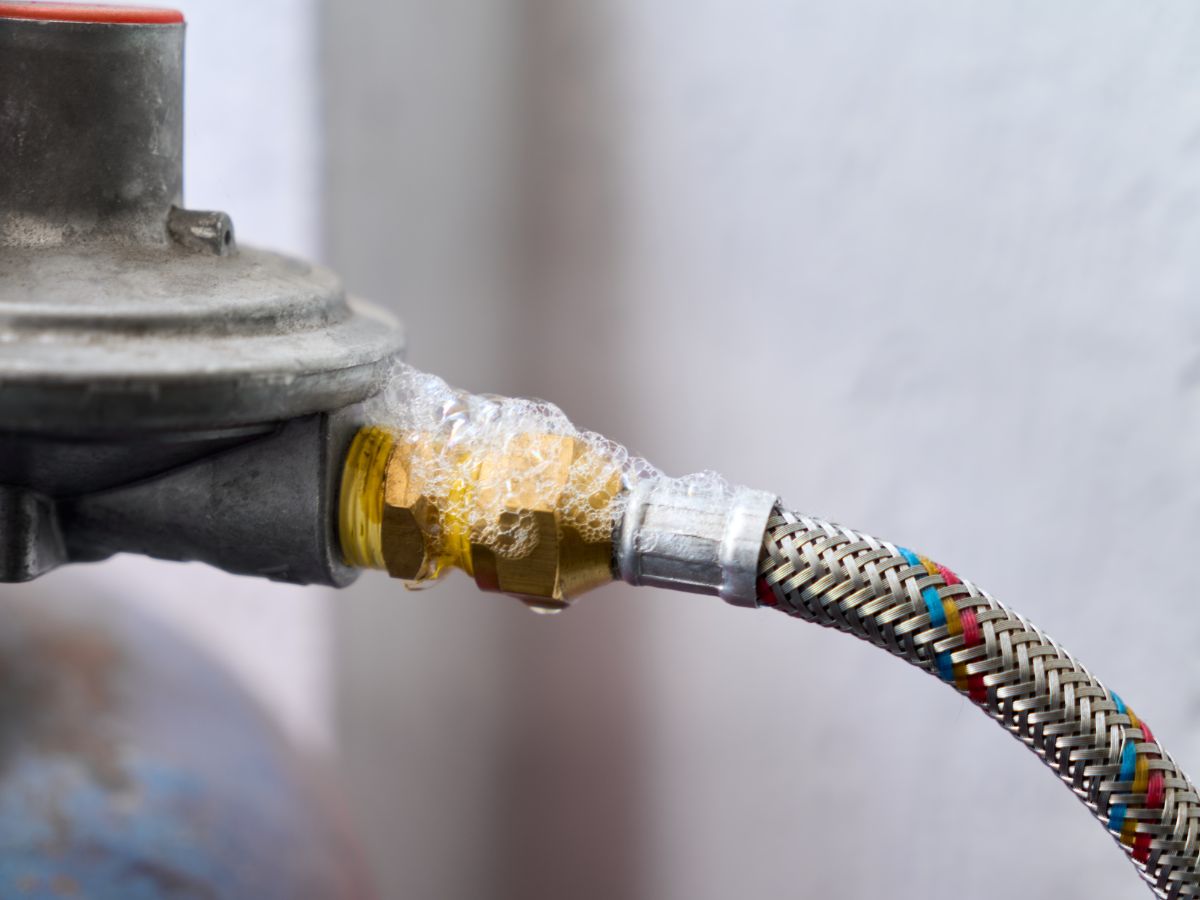
Gas Safe and the Health and Safety Executive both stress that unregistered gas work can lead to gas leaks, fires, explosions and carbon monoxide poisoning, and HSE’s fatality tables for recent years still record people dying in domestic settings from gas-related incidents. That’s why the Gas Safe data quoted by ATAG is so stark: an estimated quarter of a million gas jobs a year are done by unqualified workers, roughly two‑thirds of those inspected are found unsafe, and about one in five are classed as “immediately dangerous”, with industry commentary noting that faulty installations are a contributing factor in around 50 carbon monoxide deaths a year in the UK.
When you put those figures alongside government estimates that carbon monoxide poisoning leads to around 50 deaths, 200 hospitalisations and about 4,000 A&E attendances annually in England and Wales, it becomes obvious that “cheap and cheerful” is not a sensible way to choose a heating engineer. Fortunately, checking credentials is straightforward when you know how: Gas Safe’s own guidance tells consumers to ask to see the engineer’s Gas Safe ID card, confirm the photograph matches the person at the door and then use the online register to check they are listed for the specific type of appliance they plan to work on.
On top of that, government-endorsed and professional schemes give you extra filters. TrustMark describes itself as the only UK Government Endorsed Quality Scheme for work carried out in and around the home and reports around 17,500 registered businesses employing in excess of 56,000 tradespeople, all vetted for quality and consumer protection. Survey work highlighted by trade sources shows that around 72% of homeowners are more likely to hire a tradesperson who belongs to a recognised trade association, reflecting a common-sense instinct that real checks matter.
Gas Safe registration and ideally a link to TrustMark or a recognised professional body should be your basic safety filter. Only once an engineer passes that filter do reviews and recommendations become a fair way to compare options, which is why reputable local firms in Ashford, like Hughes Heating, that are on the Gas Safe Register with verifiable company details and independent reviews actively encourage customers to carry out those checks.
How to spot quality before the wrench comes out
Even when someone’s legal and qualified, the way they price, plan and stand behind their work makes a big difference to your experience. Citizens Advice’s 2025 analysis of “shoddy tradeswork” shows that those same 36,534 home maintenance complaints in a year often stem from low-quality services, unclear agreements and rogue traders who take money and never show up.
Their core guidance on getting home improvements done well comes back to one idea: get everything in writing, including a clear scope, itemised costs and agreed timescales, which is reinforced in their step‑by‑step advice on what a quote should include and why written contracts matter. For heating work, that means asking each Ashford engineer you invite to quote for an itemised breakdown that covers labour, parts and materials, removal of old kit, expected timescales, access needs and any conditions or provisional sums that might affect the final price, as well as clarity on workmanship guarantees, manufacturer warranties and who to contact if something fails.
TrustMark’s focus on protecting homeowners fits neatly into this picture. Its 2024 overview of the home improvement market explains that registered firms must meet codes of practice, hold appropriate insurance and offer access to independent dispute resolution if things go wrong, sitting on top of that 17,500‑strong registered business network. TrustMark’s separate Skilled to Build research indicates that there is headroom to employ around 195,000 additional skilled tradespeople in the repair, maintenance and improvement sector over the coming years, underlining why good heating engineers are in demand and may have waiting lists.
A sensible approach in Ashford is to shortlist two or three Gas Safe and ideally TrustMark‑backed businesses, then compare their written quotes side by side rather than simply picking the cheapest. Look not only at price but at the clarity of the scope, the strength of the guarantees and how they talk about tidiness, access and follow‑up, using the kind of checklists promoted by Citizens Advice and TrustMark as your benchmark. Local firms, like Hughes Heating, that consistently earn strong reviews for clear communication, tidy work and thorough aftercare are living examples of the standards you should expect, wherever you live.
Changing how Ashford chooses its engineers
Gas Safe commissioned research reported through consumer platforms such as Checkatrade shows that more than half (around 52%) of people admit they’ve let a tradesperson work on a gas appliance without checking their qualifications, even though unsafe gas work can cause leaks, fires, explosions and carbon monoxide poisoning. Other surveys cited by installers indicate that only about two in five people routinely check whether their engineer is Gas Safe registered before letting them start work, reinforcing how often people fall back on “they seemed nice” at the door instead of doing basic checks.
HSE’s ongoing statistics on gas and carbon monoxide incidents confirm that this kind of complacency exists against a backdrop of real harm, with domestic CO poisoning and gas explosions still appearing in annual fatality records. Industry campaigns by boiler manufacturers and safety groups highlight how frequently registered installers are called in to fix dangerous work left behind by unqualified fitters, something that wastes homeowners’ money and, in the worst cases, puts lives at risk, as emphasised in ATAG’s illegal gas work campaign material.
The most helpful thing you can do for yourself and your family is turn safety checks into habits so they feel automatic rather than awkward. Before you book, search the Gas Safe Register and, where possible, TrustMark or a recognised trade body to find local engineers who are properly listed, then on the day always check the Gas Safe ID card at the door and confirm the details online using the official register tools. Keep a copy of the written quote and final invoice, along with any guarantees and warranty details, and record in a notebook or on your phone who worked on your boiler, what was done and when, so you can spot patterns and make stronger choices next time, exactly as Citizens Advice recommends for managing home improvement work.
This kind of checklist lines up squarely with Citizens Advice and TrustMark guidance, but it also reflects how responsible local firms behave: they expect questions, they welcome checks and they view informed customers as partners in keeping homes safe. It’s a small shift in behaviour, yet over time it helps push demand away from risky operators and towards engineers who invest in training, accreditation and good customer care.
risky guesswork to confident choices
Gas and heating work is tightly regulated for good reason, as the combination of complaint figures from Citizens Advice and incident data from HSE makes clear. Serious incidents still happen and tens of thousands of people every year end up complaining about poor or unfinished home maintenance, even though basic checks on registration, written quotes and references are freely available.
In Kent, you can check Gas Safe registration in minutes, look for TrustMark or trade body logos, insist on clear written quotes and choose engineers who are open to questions and transparent about their work, using official registers and guidance sites as your starting point rather than anonymous adverts. TrustMark’s skills‑gap research, alongside consumer complaint figures from Citizens Advice, suggests that quality‑focused engineers and informed homeowners will have an increasingly important role in raising standards locally by favouring businesses that invest in competence and customer protection.
So next time you need a boiler service, repair or upgrade and call a heating engineer in Ashford, you have a genuine choice. You can leave it to chance and hope, or you can follow a simple, evidence‑backed checklist that keeps your home warm, legal and safe – and if you want to put that into practice straight away, you can contact Hughes Heating to discuss the safest options for your system.