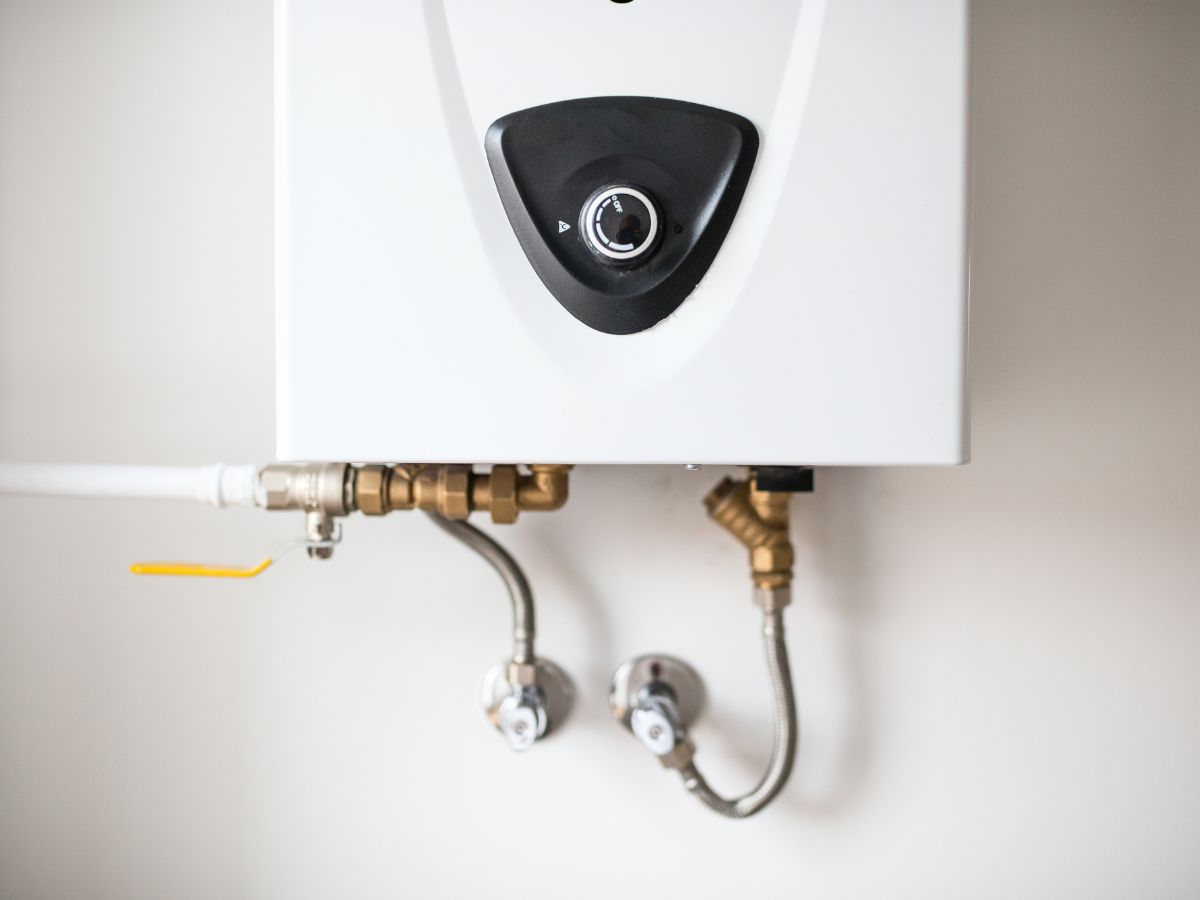
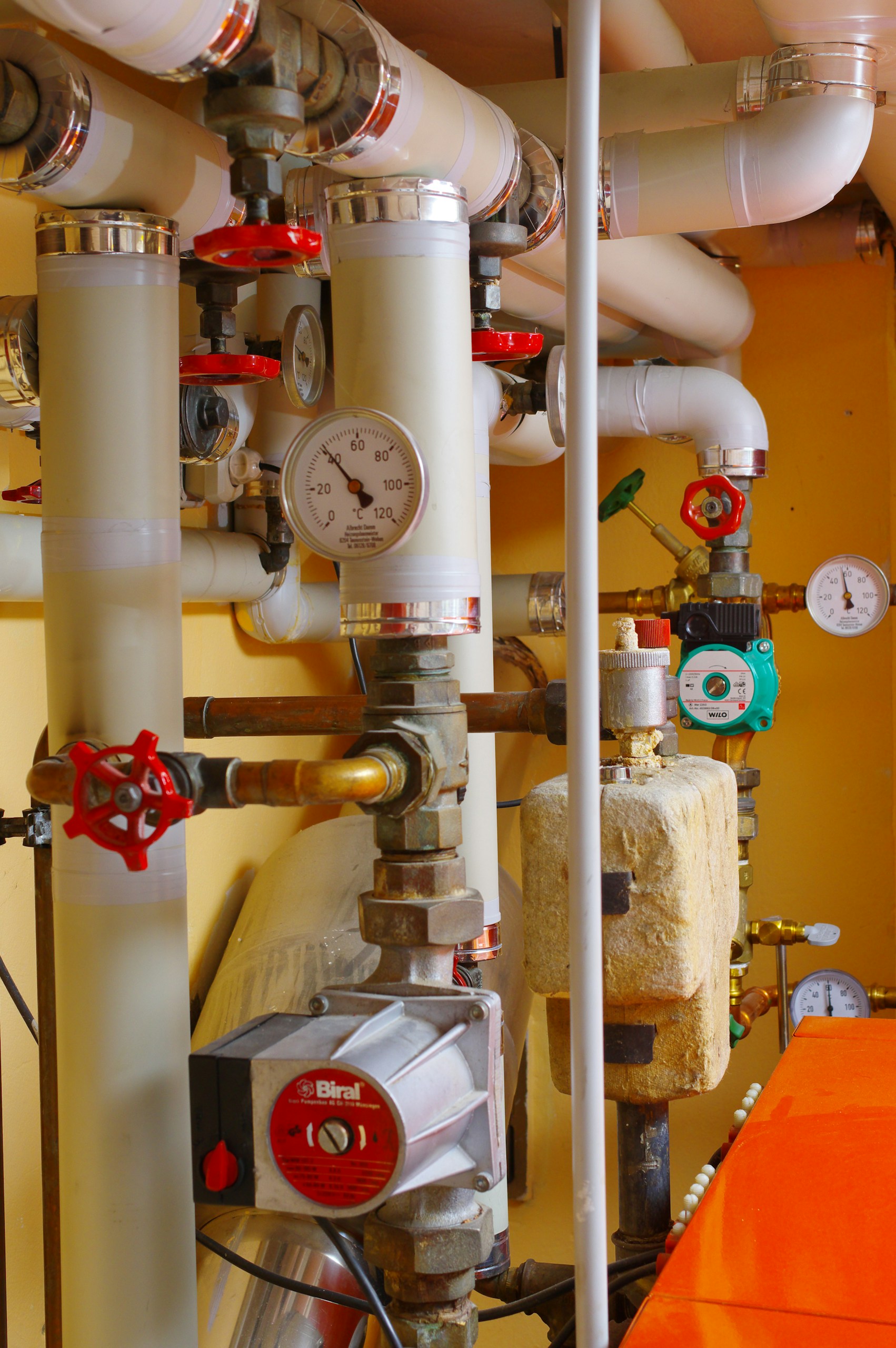
According to the Gas Safe Register, one in every six homes in the UK contains an unsafe gas appliance. That’s 4.28 million households. In a private rental property, the legal, financial and human consequences of sitting on the wrong side of that statistic don’t fall on the tenant. They fall on you.
The private rented sector now accounts for 4.7 million households in England, roughly 19% of all homes, having grown by 52% since 2008. That’s a lot of boilers, a lot of gas appliances and a lot of annual compliance checks sitting on a lot of landlord to-do lists. Some get done on time. Some don’t. And [link to Gas Safe Register] 20% of UK homes would fail a gas safety certification today if an engineer walked in.
This guide exists because the rules changed significantly in 2025, and the enforcement environment heading into 2026 is categorically different from anything Ashford and Kent landlords have experienced before. Whether you manage one rental flat or a portfolio of properties, the obligations are the same, and the consequences of falling behind are now harder to absorb than ever.
What follows covers exactly what the law requires, what changed in October 2025, what the real cost of non-compliance looks like, and what a practical, manageable compliance path looks like for 2026. There’s nothing here designed to alarm you. There’s quite a lot designed to help you stay ahead of it.
Let’s start with what the law actually demands.
What the Law Actually Requires (It’s More Than You Think)
Most landlords, when they think about heating compliance, think about one thing: the annual gas safety certificate. It’s the document letting agents chase, the one that comes up whenever there’s a problem, and the one most landlords can readily describe. But landlord heating obligations sit across three separate pieces of legislation, each with a different scope, a different enforcement mechanism and a different set of consequences when they’re not met.
The first is Section 11 of the Landlord and Tenant Act 1985. This requires landlords to keep the structure and exterior of a property, along with its gas, water, electrical and heating installations, in repair and proper working order throughout the tenancy. Not at the start. Throughout. This obligation isn’t conditional on a tenant reporting a fault, and it isn’t discharged by issuing a certificate once a year. It’s a continuous duty of care.
The second is the Homes (Fitness for Human Habitation) Act 2018, arguably the more powerful of the two because it gives tenants a direct route to county court without needing a local authority referral. Under this Act, a rental property must be safe, healthy and free from hazards throughout the tenancy. A cold home that can’t maintain a reasonable temperature isn’t a minor inconvenience. It’s a statutory hazard that a tenant can act on independently.
The third is the Gas Safety (Installation and Use) Regulations 1998, which is where the annual CP12 requirement sits. Every landlord who provides gas appliances (including a gas boiler) must have every appliance, fitting and flue inspected by a Gas Safe registered engineer every 12 months. The certificate must be provided to existing tenants within 28 days of the inspection and to new tenants before they move in, per HSE guidance for landlords.
What are a landlord’s legal obligations for heating in the UK?
Landlords are legally required to keep heating and hot water systems in repair under the Landlord and Tenant Act 1985. Properties must also be maintained at a temperature that is safe and healthy for tenants, typically 18°C in living areas, under the Homes (Fitness for Human Habitation) Act. Failure to provide adequate heating is an enforceable hazard under the Housing Health and Safety Rating System (HHSRS).
Can a tenant take legal action if a landlord fails to provide heating?
Yes, and directly. Under the Homes (Fitness for Human Habitation) Act 2018, tenants can bring a claim in county court without involving the local authority. Courts can award damages and order mandatory repairs. This route runs alongside, not instead of, local authority enforcement action.
The most common misunderstanding I encounter when visiting rental properties across Ashford is a landlord who believes that holding a valid certificate means having a compliant property. It doesn’t. A CP12 taken out in March records the condition of the system at that point in time. The law requires the system to work throughout the year. Those two things aren’t automatically the same.
The Certificate That Could Save Your Portfolio
The CP12, formally called the Gas Safety Record, is the document issued by a Gas Safe registered engineer after completing the annual inspection of your rental property’s gas systems. Every gas appliance, fitting and flue in the property is checked. Gas pressure is tested. Pipework is inspected for soundness. Carbon monoxide levels are tested. Flues are checked for obstructions and proper function. When the inspection is complete, the record is issued to the landlord within 28 days, and a copy goes to the tenant.
What is a CP12 and do I legally need one?
A CP12 is the informal name for a Gas Safety Record. Every private landlord in England who provides gas appliances is legally required to have one issued annually by a Gas Safe registered engineer. There are no exemptions based on boiler age, property size or tenancy type. The inspection must happen every 12 months, without exception.
How long does a gas safety check take, and what does it cover?
For a typical property, between 30 and 60 minutes. Larger properties or those with multiple appliances take longer. The engineer checks every gas appliance (boilers, gas fires, hobs), tests gas pressure, inspects pipework, tests for carbon monoxide and confirms that flues are clear and functioning correctly. The completed record is then issued to both landlord and tenant.
There’s a dimension most landlords haven’t fully considered. The CP12 isn’t just a regulatory requirement. It’s the document that underpins almost every other form of protection you hold. Without a valid, current CP12, your landlord insurance is likely invalidated. Without it, you cannot legally issue a Section 21 notice. And under the Renters’ Rights Act 2025, it’s the document that will either appear or conspicuously not appear on the new national PRS landlord database coming into force during 2026.
Gas Safe Register data, drawn from engineering visits to 120,000 homes over four years, found that engineers prevented at least 68,000 homes from potentially deadly gas incidents in a single year, including explosions, fires and carbon monoxide poisoning. Bogus, unregistered gas fitters carry out over 250,000 jobs per year in the UK, costing approximately £100 million annually to rectify. When you instruct a Gas Safe registered engineer, you’re accessing a safety assurance that an unregistered fitter simply cannot provide.
One practical habit worth building: always verify an engineer’s Gas Safe registration number before any work begins. It takes 30 seconds on the Gas Safe Register website, and it’s the most straightforward quality control available to you as a landlord.
What Every Kent Landlord Must Know
The Renters’ Rights Act 2025 received Royal Assent on 27 October 2025. Described by Pinsent Masons, one of the UK’s leading property law firms, as ‘the biggest shake-up of residential lettings in England in a generation,’ its most consequential provisions for Ashford landlords start activating in 2026.
There are four changes that every Kent landlord needs to understand clearly:
-
Mandatory enforcement from 1 May 2026: Local housing authorities move from having discretion to act on breaches to having a statutory duty to do so. If a complaint is made or a breach is identified, action is no longer a council choice. It’s a council obligation, as confirmed by DASH Services guidance.
-
A national PRS landlord database: All private landlords in England will be required to register their properties and upload compliance documentation, including gas safety certificates, EPCs and electrical safety certificates. This database will be publicly searchable. Letting agents can handle the registration, but the legal obligation and liability remain with the landlord.
-
Decent Homes Standard extended to private rentals: Previously applicable only to social housing, this standard now sets a minimum quality threshold across all private rented properties, covering adequate heating, structural condition and freedom from serious hazards.
-
Section 21 abolished: No-fault evictions are gone. The primary effect is on how tenancies end, but the secondary effect matters just as much. A well-advised tenant now has more grounds, more time and more legal support to challenge inadequate conditions.
What does the Renters’ Rights Act 2025 mean for landlords in practice?
It means that local councils have a legal duty to act on complaints, financial penalties can reach £40,000 for serious or repeat breaches, all landlords must register on a national database with compliance documents uploaded, and the Decent Homes Standard now applies to private rentals. Non-compliance that might previously have gone undetected is increasingly difficult to sustain.
What is the new PRS landlord database and do I have to register?
Yes, registration will be mandatory for all private landlords in England. The database requires current compliance documentation, including a valid gas safety certificate. It’s expected to go live during 2026. Failure to register will itself constitute a breach.
The insight worth sitting with: in the past, a lapsed CP12 was a private risk. It existed as a problem when discovered, usually triggered by a complaint or a random inspection. From 2026, compliance status becomes visible infrastructure. Every tenancy will exist against a public record. Landlords who are fully compliant gain a verifiable trust signal that will increasingly matter to prospective tenants. The database doesn’t just raise the risk of being found out. It creates a genuine market advantage for those who’ve been doing things properly all along.
Fines, Prosecution and Voided Insurance
Without a valid CP12, a landlord is in breach of the Gas Safety (Installation and Use) Regulations 1998. Fines range from £2,000 for a first offence to £30,000 for serious, reckless breaches. Where danger to life is established, criminal prosecution carries an unlimited fine. Landlord insurance is typically invalidated, and Section 21 notices cannot legally be served.
Does not having a CP12 affect my landlord insurance?
Directly and significantly. Most landlord insurance policies contain a gas safety compliance clause. If a claim arises from a fire, a carbon monoxide incident or property damage, and you can’t produce a valid CP12, your insurer is likely to void the policy. The CP12 is a prerequisite for the financial protection most landlords assume they already have.
Real enforcement cases documented in council records show what these numbers look like in practice. A landlord whose boiler was categorised as ‘Immediately Dangerous’ following a tenant complaint received a £6,000 penalty. A landlord who allowed a CP12 to lapse after multiple council requests was fined over £10,000. Portfolio landlords with multiple uncertified properties have faced penalties exceeding £20,000. These aren’t worst-case anomalies. They’re the predictable outcomes of an enforcement environment that has been tightening for several years.
Under the Renters’ Rights Act 2025, those figures escalate further. Initial breaches carry penalties up to £7,000. Serious, persistent or repeated violations attract penalties of up to £40,000. These are civil penalties running alongside, not instead of, criminal prosecution under gas safety legislation. A single serious incident could therefore trigger both simultaneously.
From experience, the landlords who end up in enforcement proceedings aren’t usually neglectful in any straightforward sense. They’re often busy people managing multiple properties who’ve let one annual check drift by a few months. The difficulty is that ‘a few months lapsed’ is indistinguishable from deliberate non-compliance to an enforcement officer reviewing a database record. The only safe position is renewal before expiry, not after.
The good news is that this is entirely manageable. The CP12 inspection is a 12-month calendar event. Schedule it, keep the certificate filed with your tenancy documents and provide a copy to your tenant. That sequence, done consistently, removes you from every category of risk described in this section.
Your Property’s Energy Rating Is About to Matter a Lot More
Right now, the minimum EPC rating for a privately rented property in England is E. Renting out a property with an F or G rating is already illegal and carries fines of up to £30,000. That threshold is rising. Every private tenancy in England must achieve a minimum EPC rating of C from 1 October 2030, and the cost cap landlords are expected to spend before qualifying for an exemption is set at £10,000 per property, per Simply Business.
What EPC rating do I need to legally rent out my property in 2026?
Currently, a minimum EPC rating of E. Renting a property rated F or G is illegal and enforceable now. The minimum rises to C from 1 October 2030, with the EPC assessment methodology itself changing from 1 October 2029.
How much will it cost to bring my rental property up to EPC C?
Costs vary significantly by property type, age and current condition. The government has set a cost cap of £10,000 per property. If full EPC C compliance cannot genuinely be achieved within that spend, an exemption can be registered. Common improvement measures include boiler upgrades, loft insulation, cavity wall insulation and smart heating controls. A current, accurate EPC assessment is the essential starting point for understanding where your property actually sits.
The detail most landlords are missing: the EPC assessment methodology changes from 1 October 2029, one full year before the enforcement deadline. The current metric measures energy consumption. The new metric will measure how well a property retains heat. Those are not the same thing, and a property that comfortably holds a D or borderline E rating under the current system may be assessed differently under the new one.
That gives landlords who wait until 2029 roughly 12 months between receiving a new EPC assessment and needing to meet the C-rating standard. If your property needs a new boiler, improved insulation or heating system upgrades to cross that threshold, 12 months is tight. The timeline rewards those who start the conversation now, not those who treat 2030 as a distant problem.
One more connection worth keeping in mind as we move into the final section. Your boiler’s efficiency feeds directly into your property’s EPC rating. An older boiler operating at 70% efficiency and a modern A-rated condensing boiler don’t sit in the same EPC band. That link between your annual heating maintenance and your long-term EPC position is more important than most landlords realise.
The £100 Habit That Prevents a £30,000 Mistake
Annual boiler servicing isn’t a separate legal requirement from the CP12. But it is the most practical way to maintain a safe, efficient heating system that passes gas safety inspection every year, supports your EPC position and keeps your tenants warm throughout the tenancy. For Ashford landlords with older heating stock, proactive servicing is also one of the most cost-effective tools available.
How often does a landlord legally have to service a boiler?
There’s no statutory requirement for annual boiler servicing that sits separately from the annual gas safety check. However, most boiler manufacturers require annual servicing to maintain the warranty, and a regularly serviced boiler is significantly more likely to pass the CP12 inspection each year. Annual servicing is strongly recommended by the Health and Safety Executive and is widely considered best practice across the industry.
Who pays for boiler repairs in a rented property?
Under Section 11 of the Landlord and Tenant Act 1985, the landlord is responsible for keeping all gas and heating installations in repair and proper working order. Boiler repairs, unless caused by deliberate tenant misuse, are always the landlord’s responsibility. This applies regardless of the boiler’s age and cannot be transferred to a tenant through a tenancy agreement.
The connection that often goes unmade: a poorly performing boiler doesn’t just risk failing the CP12. It drags down EPC performance at the same time. If you’re already thinking about the 2030 C-rating requirement, a boiler upgrade addresses gas safety certification and EPC improvement simultaneously. Two obligations, one decision.
The End Fuel Poverty Coalition, applying the Institute of Health Equity’s validated methodology to ONS mortality data, attributed 4,950 excess winter deaths in the UK to cold homes in winter 2022/23. Those aren’t abstract statistics. They represent heating systems that stopped working and weren’t fixed quickly enough. An annual boiler service protects your tenant’s health, and it removes you from the category of landlord that enforcement officers are increasingly equipped to identify and act on.
For Ashford landlords, the practical starting point is simple: a qualified, Gas Safe registered engineer from Hughes Heating, an annual service date in your calendar and a copy of the CP12 filed with your tenancy documents. That habit, maintained consistently, sits behind every form of compliance protection this guide has covered.
2026 Is a Window
What this guide has outlined is less a list of threats and more the architecture of a well-run rental property.
The landlords who manage properties across Ashford and Kent with the least friction aren’t the ones who’ve never encountered a compliance issue. They’re the ones who’ve built a reliable annual rhythm and maintained it. Gas safety check. Boiler service. EPC in order. Tenancy documents complete. That cycle, repeated annually, sits behind virtually every protection this industry offers.
2026 is the year the private rental sector moves from self-policing to structured accountability. The PRS database will make compliance publicly visible. Councils will carry a legal duty to act, not a discretion. Tenants are better informed and better supported than at any point in recent history. In that context, a landlord who holds a current CP12, services the boiler annually with Hughes Heating and understands their EPC position has a real competitive advantage, in tenant confidence, in portfolio resilience and in avoiding the compounding costs that non-compliance now reliably produces.
Full compliance isn’t a one-time achievement. Treat it as a calendar. Get your gas safety check, boiler service and EPC aligned and current, and every other element of landlord compliance becomes significantly more manageable.
If you’re a landlord in Ashford or across Kent and you’d like to confirm your CP12 is in order ahead of the 2026 regulatory changes, request a quote or book your annual gas safety check with Hughes Heating. We’re Gas Safe registered and cover the Ashford and Kent area.