Is your heating about to come back on for the winter in Ashford, but you’re quietly dreading the bill that follows it?
When you combine that with the fact most UK homes keep the heating running daily for around five and a half months, from autumn through to spring, it’s no surprise people in Ashford want every bit of warmth they’re paying for.
What often gets missed is how much the ‘hidden’ side of your system matters to that comfort. Research commissioned by the UK government on heat distribution systems shows that poor circulation and build‑up in radiators can knock around 15% off system efficiency, even if the boiler itself is modern.
Add in the impact of cold homes, with around 4,020 excess winter deaths in England and Wales in 2021–22 linked to cold housing, and it becomes clear this is about more than a bit of discomfort.
When the Big Switch‑On Meets Big Bills
During that period, gas used for space heating and hot water dominates domestic consumption, with UK and EU studies placing heating at around three‑quarters of household energy use depending on the fuel mix.
That’s why Ofgem’s ‘typical household’ definition, based on 11,500 kWh of gas a year, matters so much to real families; it reflects the scale of energy poured into radiators and pipework just to keep a home liveable.
In other words, when you press that heating button for the first time each autumn in Ashford, you’re not just choosing to feel a bit more comfortable. You’re starting up the single biggest user of energy in your home, with consequences for your bills, your comfort, and in some cases your health.
If you want that energy to work as hard as possible, it helps to understand what’s going on inside the system once the boiler fires and the pump starts pushing water around.
Sludge (The Heat Thief in Your Radiators)
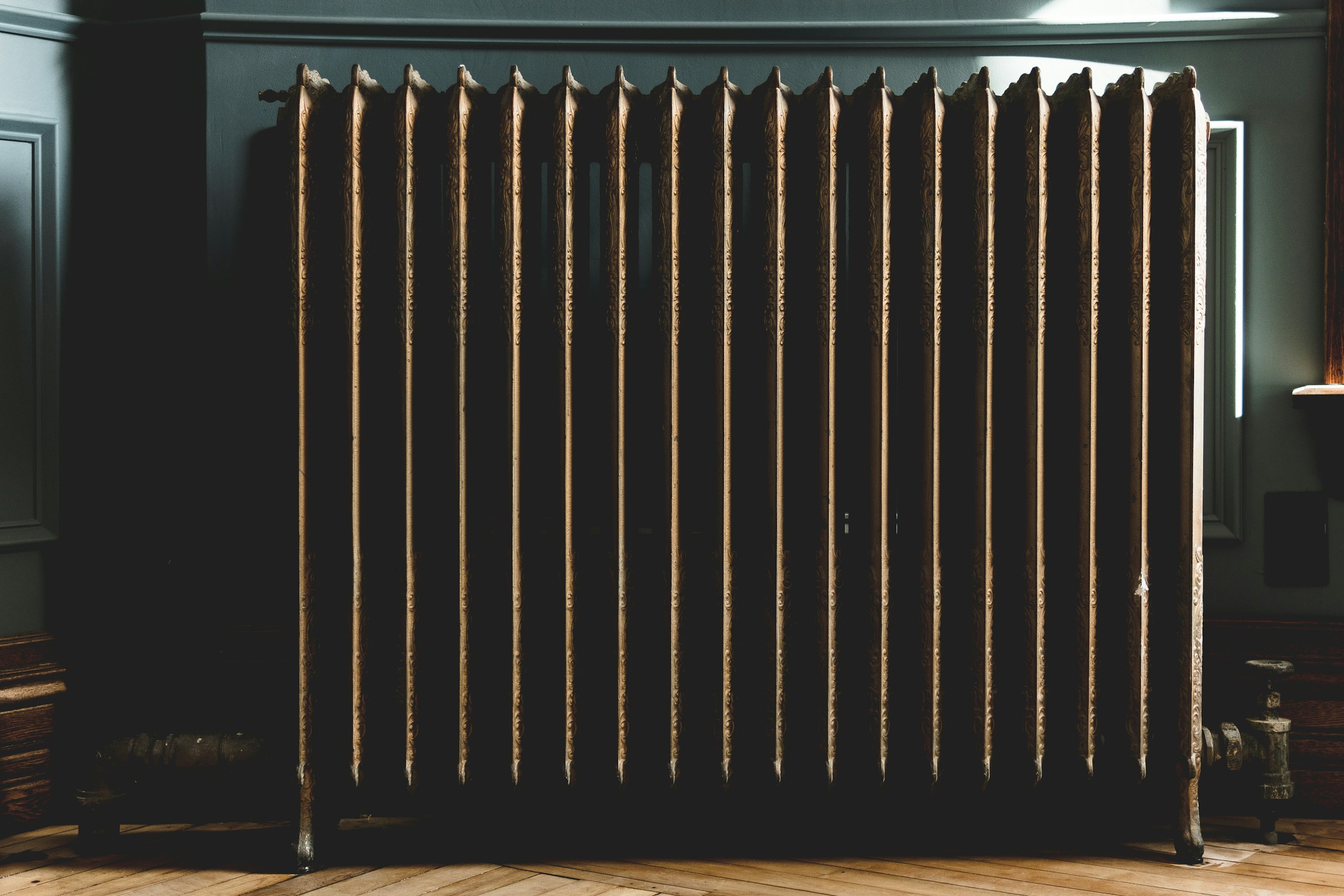
Inside a typical central heating system, water circulates through radiators, pipework and the boiler. Over time, that water picks up corrosion products from steel radiators and iron components, mixes with limescale and fine debris, and gradually forms a dark sludge, sometimes called magnetite.
A major evidence review on heat distribution systems for the former Department of Energy and Climate Change explains that this sludge coats internal surfaces and can collect in radiator bottoms and low points, restricting flow and insulating the metal from the water that should be carrying heat into your rooms.
The trade body Energy and Utilities Alliance cites research suggesting around 80% of central heating system trouble is directly or indirectly related to sludge or debris, which gives a sense of just how common this problem is across Kent (especially considering the water conditions).
Manufacturer‑backed lab tests, widely quoted by installers, have shown that radiators heavily contaminated with sludge can lose close to half their heat output compared with clean, treated systems, and that proper cleaning and treatment can in turn cut heating energy use by up to 7% a year.
Industry data collated from warranty and call‑out records also indicate that out of an estimated 3.2 million boiler breakdowns annually, about 60% are linked to sludge, whether through blocked heat exchangers, pumps working too hard, or safety components clogging.
When you put those findings alongside government‑commissioned work suggesting distribution‑side problems like sludge and poor balancing can cut overall system efficiency by around 15%, it starts to look less like a minor nuisance and more like a key part of how your heating really performs.
Reading the Signs Before Winter Bites
Most of the time, you do not need specialist tools to spot a struggling heating system. Trade guidance and consumer‑facing advice point to a set of everyday symptoms that often stem from restricted flow and dirty water, and that can be a good reason to seek professional advice in Ashford before Christmas.
Radiators that stay cold at the bottom or have stubborn cool patches even after bleeding, rooms that warm very slowly compared with the rest of the house, frequent need to bleed radiators, noisy pumps or kettling‑type sounds from the boiler, and repeated trips to the filling loop to top up pressure can all be signs that debris is disrupting flow and trapping air in the system.
Timing matters. If you notice these issues when you first start using the heating more often in October or November, there is a chance to get things checked and cleaned before the coldest weeks put the system under maximum strain.
Independent guides explain that a full power flush is usually recommended when symptoms are widespread across multiple radiators and especially where older systems have never been properly cleaned, while more modest problems might respond to chemical treatment, balancing and filter installation.
That is where a local Gas Safe engineer comes in, not just as someone who can carry out a power flush if it is needed, but as a guide who can look at your system as it is, explain what is really going on, and help you choose the level of intervention that makes sense for your home, your budget and your plans.
Turn Knowledge Into Winter Warmth
By the time the real frosts arrive, you will have a season of higher‑than‑pre‑crisis energy prices ahead of you, a heating system that may not be as clean inside as it looks on the outside, and a lot of comfort riding on how well the two work together.