A UK government-backed trial found that homes given an energy-aware smart thermostat setup used about 5% less gas per day than similar homes that didn’t get the setup.
That means the researchers saw a real, measurable difference across a large group, and their statistical tests suggested it was very unlikely to be down to random chance. The same evaluation also found people could cut heating hours or slightly lower temperatures while keeping similar overall comfort at home, which is the part that matters day to day.
If you’re a homeowner in Ashford, that’s a useful starting point because it frames smart heating as a comfort-led improvement rather than a drastic lifestyle change. Most of us don’t want to spend evenings fiddling with settings, and we certainly don’t want savings that only show up if we’re willing to feel chilly. We want warmth at the right times, and a system that stops paying for heat when it’s not doing anyone any good.
First, we’ll look at what the evidence says smart heating changes in real homes. Then we’ll build a comfort-first schedule you can live with. Finally, we’ll cover why smart meters and newer tariff options are making this topic more relevant through 2026.
Lazy Heating With Clever Results
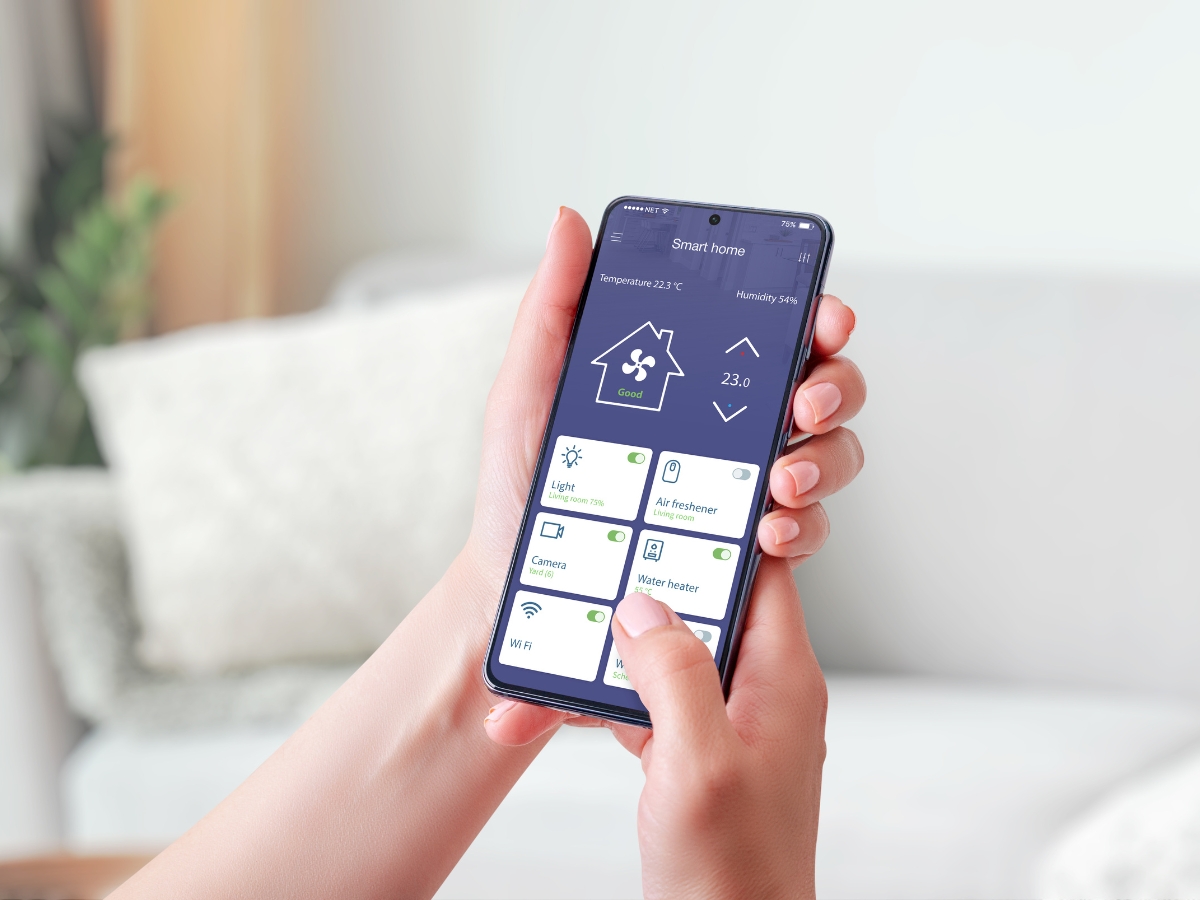
Smart heating works best when it removes waste without turning you into a full-time heating manager. In the DESNZ Smart Energy Savings Competition evaluation, the intervention wasn’t just a thermostat; it combined heating and hot water control with smart meter data and feedback about consumption and costs. That pairing matters because it links the thing you control (your heating pattern) with the thing you feel (your bill), and it does it in a way that’s easier to act on than vague advice.
The study is also reassuring because it wasn’t built on opinions alone. It used a Randomised Controlled Trial: one group received the baseline smart meter proposition (a smart meter, an in-home display and energy efficiency advice at install), and another group received that plus the smart thermostat package. All trial homes were heated by gas boilers, so the evidence is grounded in the kind of setup many households across Kent already have.
Now back to that headline result. Across the whole trial population, the smart thermostat package was associated with around a 5% reduction in daily gas use compared with the control group. The evaluation reported the reduction as statistically significant, which is their way of saying the pattern they observed is very unlikely to be a coincidence. This isn’t a promise that your bill will drop by a fixed percentage; it’s evidence that better control and feedback can move the needle in a measurable way.
The same report also explored what happens in homes that actually received and used the intervention as intended, and that analysis estimated larger savings, around 14% on average, though with more uncertainty around the exact size of the effect. Again, the useful takeaway isn’t the headline number on its own; it’s why the evaluators think savings showed up. Their survey and interview evidence suggested people reduced heating hours or nudged temperatures down while maintaining similar comfort, helped by improved control plus clear energy feedback.
So when we talk about set-and-forget, we’re not talking about being hands-off forever. We’re talking about building a dependable pattern that gives you comfort when you’re there, then eases off when you’re not, without the daily mental load. That’s an achievable goal, and it’s compatible with boilers now and the more flexible energy products arriving over the next couple of years.
The Two-Button Routine
Once you accept that smart heating is about consistency, the setup becomes far less intimidating. Your aim is a schedule you rarely touch, plus a setback temperature that prevents the house dropping too far when it’s empty or when you’re asleep. That ties directly to what the DESNZ evaluation suggests drove the savings: households reducing heating hours or slightly lowering temperatures while keeping similar comfort overall.
A comfort-first schedule works best when it matches real life rather than a perfect routine. Instead of trying to plan every hour, I prefer a simpler idea: pick the moments warmth genuinely matters, then let the system relax in between. Those moments differ by household, but the pattern is usually familiar: mornings, evenings and a bit of stability overnight.
Here’s a simple framework that’s easy to set up and easy to stick with:
-
Morning comfort anchor: Set a warm-up window that gets the kitchen and bathroom pleasant before the day starts.
-
Daytime check: Use a gentle setback during the hours the house is emptier, so you’re not paying for warmth no one feels.
-
Evening comfort anchor: Keep living areas steady when you’re actually using them, rather than blasting the whole house.
Once that’s in place, the smartest thing you can do is leave it alone long enough to learn from it. If you keep changing the schedule every day, you never see what’s genuinely working; you just create noise. A small, steady improvement that sticks is more valuable than a complicated plan that gets abandoned.
It also helps that the supporting infrastructure is now widespread. DESNZ’s Smart Meter Statistics report says that by March 2025 there were 39 million smart and advanced meters installed in homes and small businesses across Great Britain. An earlier report states that 66% of all meters were smart or advanced, with 34 million operating in smart mode (60% of all meters). Smart mode matters because it enables automatic readings and underpins the kind of feedback that helps you check whether your set-and-forget routine is doing what you hoped.
This is also where a good heating engineer adds value beyond fitting kit. If your schedule looks sensible but comfort still feels uneven, it’s often a system or setup issue rather than a willpower issue, and it’s usually fixable with the right checks and adjustments.
When Your Tariff Has a Clock
Smart controls are one half of the opportunity; the other half is how energy is priced and measured. This is why the timing matters for 2026: flexible tariffs are growing, and the market plumbing is being updated to support more of them. You don’t need a new tariff to benefit from smart heating, but it helps to understand where things are heading so your heating habits and controls are ready for it.
Ofgem’s State of the Market: Energy Retail Highlights (January 2026) reports that smart Time-of-Use tariff penetration reached 2.8% of the domestic market by July 2025. It also reports that customers on smart Time-of-Use tariffs rose 68% year on year to 835,000, and it notes that growth has been heavily driven by EV-specific tariffs. Even if you don’t have an EV, that growth still signals an expanding menu of time-based deals, and time-based deals are exactly where automation and set-and-forget control can shine.
Ofgem also says Market-wide Half-Hourly Settlement is expected to increase the number of flexible tariffs throughout 2026, using actual half-hourly consumption data where available (with estimates otherwise). For a homeowner, the key point is simple: the more accurately suppliers can measure when energy is used, the more they can offer pricing that rewards shifting some usage away from peak periods.
There’s also a real awareness gap: Ofgem reports 32% of consumers think their energy costs vary by time of use, yet only half of those (16%) are actually on a Time-of-Use tariff.
Policy is supporting that direction too. The UK government has proposed rules that would require new heat pumps and certain other electric heating appliances to be sold with smart functionality that customers can choose to activate, aiming to help consumers save by shifting usage to cheaper times. That doesn’t mean every household needs a heat pump tomorrow; it does mean future kit is being designed with smart pricing and automation in mind.
Comfort You Can Measure
Smart heating earns its place when it delivers two things at once: comfort you can rely on and waste you can reduce. The DESNZ trial provides credible evidence that better control and feedback can cut gas use, while households maintain similar overall comfort by reducing heating hours or slightly lowering temperatures in a manageable way.
The wider environment is also moving in a useful direction. With smart meters widely installed across Great Britain and Ofgem expecting more flexible tariffs through 2026, it should become easier for ordinary households to match their heating patterns to better-value periods without living on a complicated settings screen. Set your comfort anchors, choose a sensible setback, then review after a few weeks using the feedback your meter and controls provide. Then relax. And if you need help with any of this, we’re only a phone call away.