
Underfloor heating can be brilliantly comfortable, and it fits the direction UK home heating is already taking. In fact, UK domestic energy consumption fell 6.0% in 2023, which tells why households are getting more deliberate about how they heat their homes.
When we’re all paying closer attention to comfort and cost, heating systems need to feel predictable. In the South East, gas central heating was still reported as the main heating method for 59% of households in Winter 2024, so most of us are still relying on familiar wet systems even while the wider market moves forward.
This guide is a practical reset for those moments when underfloor heating doesn’t feel as warm as you expect. We’ll look at why “better performance” is often about control and setup, why underfloor heating is becoming increasingly relevant as the UK backs low‑carbon upgrades, and what a proper service visit is designed to improve.
National energy “end use” estimates are largely modelled, using assumptions that are updated annually, so it’s best to avoid overconfident promises and focus on measurable comfort outcomes in your own home.
Your heating habits are changing faster than your pipes
If underfloor heating sometimes feels slower than radiators, that doesn’t make it a poor system. It often means your expectations are tuned to a “fast blast” style of heating, while underfloor heating tends to reward steady control.
There’s a wider pattern here that’s easy to miss. DESNZ also publishes a temperature-corrected domestic energy consumption figure, which is designed to reduce the noise that weather can add to year-to-year comparisons.
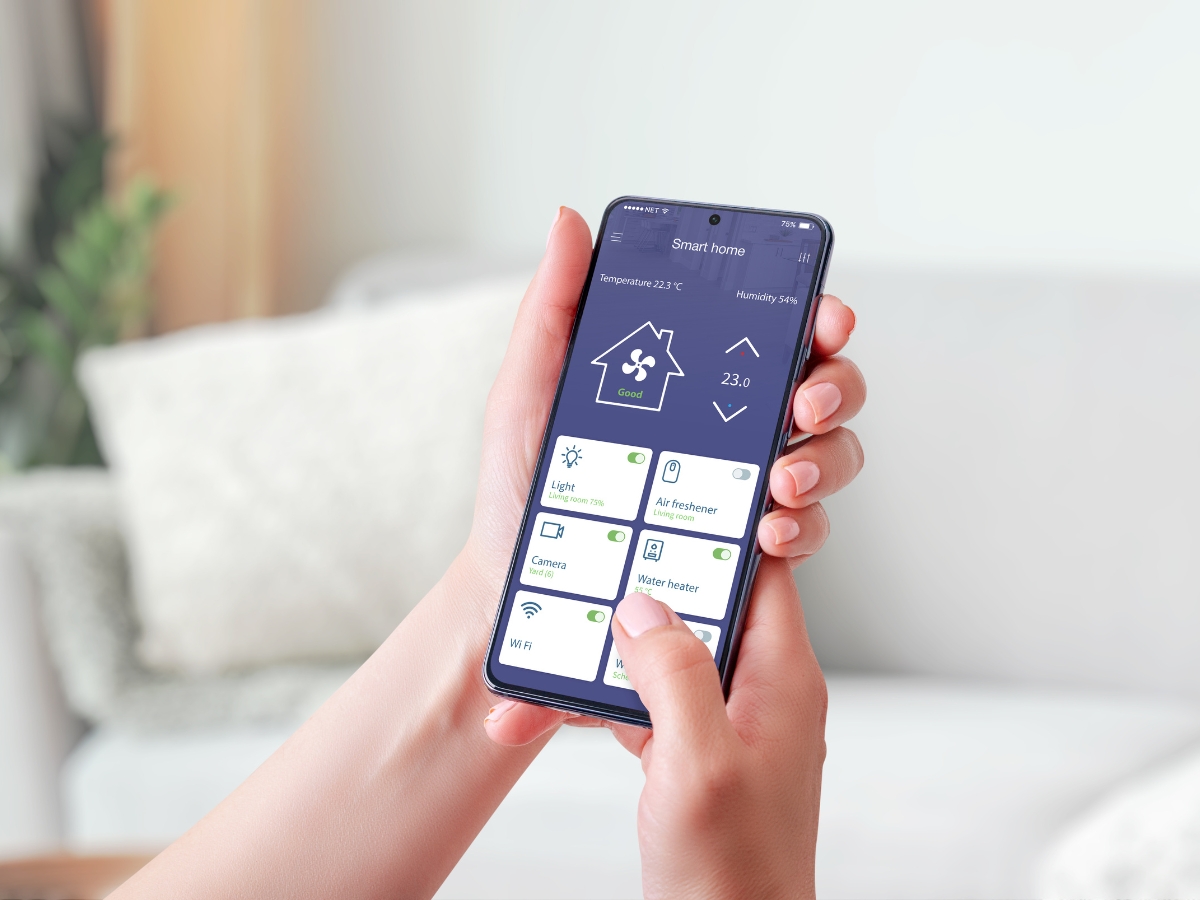
Put another way, that tells us something useful for your home: heating results aren’t only about the kit in the cupboard. They’re also about how we run it, how consistently we ask for heat, and how well the controls match the way we actually live. Instead of thinking, “Why isn’t the floor instantly hot?”, try thinking, “Is this system delivering a smooth, even background comfort that I can steer?”
When you view underfloor heating as something you guide rather than chase, you naturally start paying attention to schedules, setbacks, and zoning behaviour, which are often where comfort wins are found. If you’re trying to use less energy overall, a heating system that can hold a steady temperature without big spikes can feel surprisingly comfortable to live with; and much more cost-effective.
The UK is going low-carbon
A lot of underfloor heating conversations now sit alongside a bigger question: “What happens when we upgrade the heat source?” The evidence says upgrades are happening at a considerable pace.
Ofgem’s Boiler Upgrade Scheme (BUS) annual report for 2024 to 2025 says the scheme has supported over 49,000 low‑carbon heating installations since it began in May 2022, with more than 25,000 in the 2024–2025 scheme year alone; and it’s one reason underfloor heating keeps coming up in everyday homeowner decisions.
The BUS statistics release to the end of June 2025 also reports that the South East accounts for 11,309 redemptions paid, which is 20% of the total. For households across Kent and the surrounding counties, that’s a sign that low‑carbon heating isn’t “somewhere else’s problem”; it’s already a normal part of the regional conversation.
Treat performance tuning as future-proofing, even if you’re not changing your boiler tomorrow. Why? Because low‑carbon heating tends to run at lower flow temperatures, and underfloor heating is widely chosen in that context precisely because it can deliver comfort efficiently when the system is designed and controlled well. That means a good underfloor heating service isn’t just about making today feel nicer. It’s also about reducing the chance that a later upgrade feels disappointing simply because the controls, zoning, and commissioning weren’t refined.
One more detail from the official scheme documentation: BUS is installer-led and quality-focused, with eligibility checks and standards referenced in the published scheme background materials. That emphasis on verification is worth mirroring at home too: better comfort tends to follow measurement, not guesswork.
What a proper UFH service is really trying to achieve
Underfloor heating performance is often a story of “small things done well”. Not dramatic overhauls, just careful setup.
That’s especially important because many homeowners still feel cautious about heating changes. In Winter 2024, DESNZ reported that 55% of owner‑occupiers said they were unlikely to install at least one low‑carbon heating option if they needed to replace their system. So when something feels off, it’s completely reasonable to want a clear plan rather than a sales pitch.
Now for a grounded market signal that explains why underfloor heating questions are everywhere. DESNZ’s official BUS statistics (published 31 July 2025, with figures one month in arrears) report 87,379 voucher applications received up to the end of June 2025, and 97% of those applications were for air source heat pumps (ASHP). That’s a lot of households thinking seriously about how heat is delivered, not just how it’s generated.
So what does “good” look like when you book an underfloor heating service or commissioning-style visit? The aim is simple: make heat delivery more even, more controllable, and easier to live with.
Here’s the only prep work worth doing before anyone arrives, because it makes the visit more productive without you trying to diagnose anything yourself:
-
Note which rooms feel cooler, and whether it’s consistent or comes and goes.
-
Write down your thermostat schedules and setpoints, including any night setbacks.
-
Track when it feels slow: after mornings, after returning home, or during certain weather.
-
If you have multiple zones, record which zone(s) lag behind the others.
-
Decide what “success” means for you: steady comfort, faster warm-up, or better room-to-room consistency.
A good engineer uses that kind of information to test assumptions, not to confirm them. And a good outcome is transparent: you should leave with a clear explanation of what was adjusted, what was observed, and what the next step is if improvements are still needed. If your household’s heating habits have changed in the last couple of years, are your settings still designed for how you live now?
Comfort that keeps up with the UK’s heating future
The most encouraging takeaway from the evidence is that we’re already becoming more intentional about home heating, and the numbers back that up. At the same time, gas remains common in the South East, so making existing wet systems feel better is still a very practical goal. And with BUS-supported low‑carbon installations scaling quickly, underfloor heating performance and control will only become a more familiar topic for ordinary households.
So treat underfloor heating optimisation as a positive home upgrade in its own right: calmer comfort, clearer control, and fewer “why is this room different?” moments. And if a few careful adjustments from a professional heating engineer could make your heating feel reliably predictable, what would that change for your day-to-day life?